
3 Best Resurfacing Serums for Textured Skin That Smooth and Renew
If you’re aiming to improve skin texture and promote renewal, selecting the right resurfacing serum is essential. These products use active ingredients like glycolic acid and niacinamide to exfoliate, smooth rough patches, and refine skin tone. While many options claim similar benefits, understanding their specific formulations and how they target your concerns can help you make an informed choice. Exploring the top serums available now offers a practical step toward achieving smoother, more youthful skin—yet, there’s more to weigh when choosing what’s best for your skin.
Eight Saints Retinol Skin Care Serum for Firming Face & Eye Wrinkles
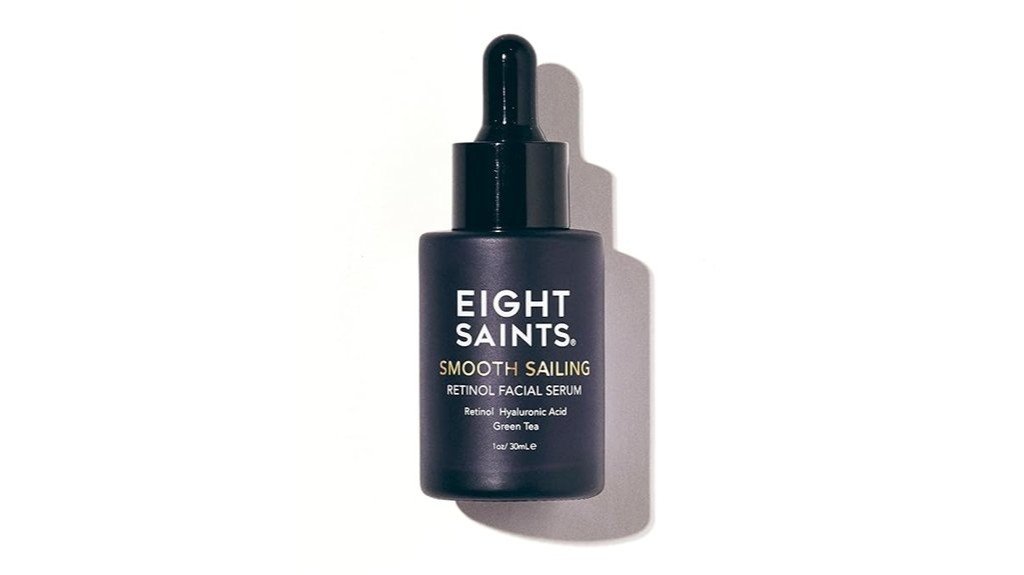
Eight Saints Retinol Skin Care Serum is a good choice if you want a natural way to make your skin look firmer and smoother. This serum helps reduce wrinkles and fine lines around your eyes and face. It features organic ingredients like retinol, hyaluronic acid, and green tea. These ingredients are known for fighting aging and keeping your skin hydrated.
The serum absorbs quickly because it’s light and non-greasy. It works well on all skin types, including sensitive skin. Use it morning and night to see the best results. With regular use, it can help lessen sun spots, fine lines, and improve your skin’s texture. After applying, it’s best to follow with moisturizer or sunscreen for extra protection and hydration.
This product is simple to use and made with natural ingredients. It’s a reliable choice if you want to firm your face and soften wrinkles.
Who should use it: People looking for a natural, moisturizing anti-aging serum that firms skin and reduces wrinkles around the eyes. It’s good for sensitive skin too.
Pros:
- Made with organic, cruelty-free, and fragrance-free ingredients like retinol, hyaluronic acid, and green tea.
- Fast-absorbing and lightweight, easy to apply daily on all skin types.
- Helps reduce fine lines, sun spots, and improves skin texture with regular use.
Cons:
- Because it’s natural, you might see slower results and need to use it for a while.
- For the best results, you should apply moisturizer or sunscreen on top, which adds more steps.
- It may cost more than some other serums, but it lasts a long time.
Retinol Serum with Vitamin C & E for Anti-Aging
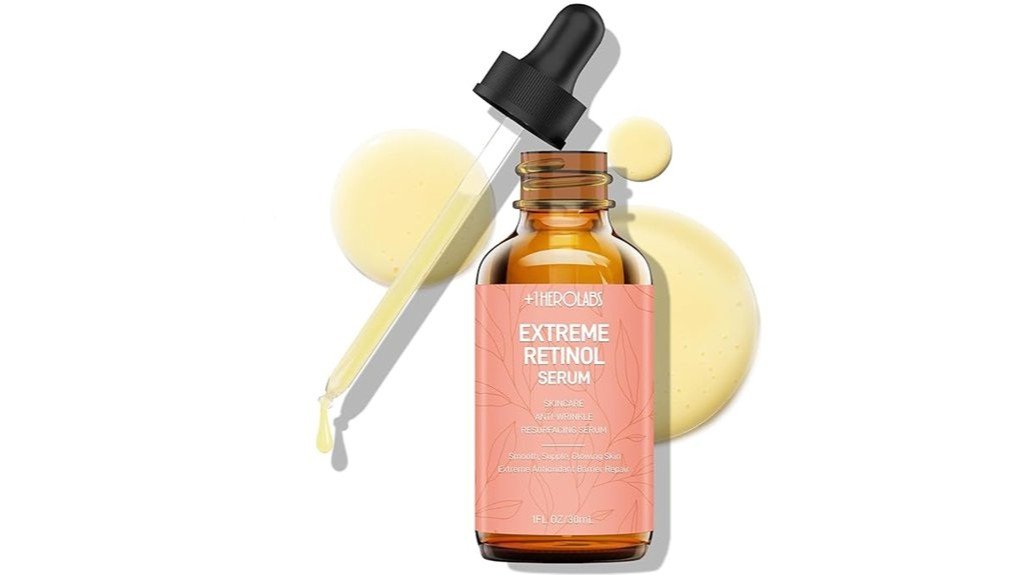
If you want to fight signs of aging and even out your skin tone, a retinol serum with vitamins C and E can help. This serum reduces wrinkles and fine lines in about 4 to 8 weeks. It makes your skin look fresh and healthy again. The formula includes 2.5% retinol, which helps speed up cell growth. It also has herbal extracts like Witch hazel and Aloe vera that help the serum absorb quickly and keep your skin smooth. Plus, it is full of antioxidants like Vitamins C and E, Niacinamide, and Hyaluronate. These protect your skin from damage, boost collagen, and make your skin brighter. This serum works for all skin types and can be used every night as part of your routine.
Best for: People who want to reduce wrinkles, even out skin tone, and make dull skin look lively. Suitable for all skin types.
Pros:
- Reduces wrinkles and fine lines in 4 to 8 weeks
- Contains antioxidants that brighten skin and block damage from free radicals
- Gentle and absorbs quickly, good for sensitive skin
Cons:
- Needs nightly use and sunscreen during the day to avoid more sun sensitivity
- Results can take longer for some people, depending on age and skin
- Retinol can cause mild irritation or dryness, especially for very sensitive skin
This serum is a good choice if you want a simple step to fight aging and improve your skin’s glow. Just remember to be consistent and wear sunscreen.
Eight Saints Niacinamide Serum for Face, Anti-Aging, 1oz
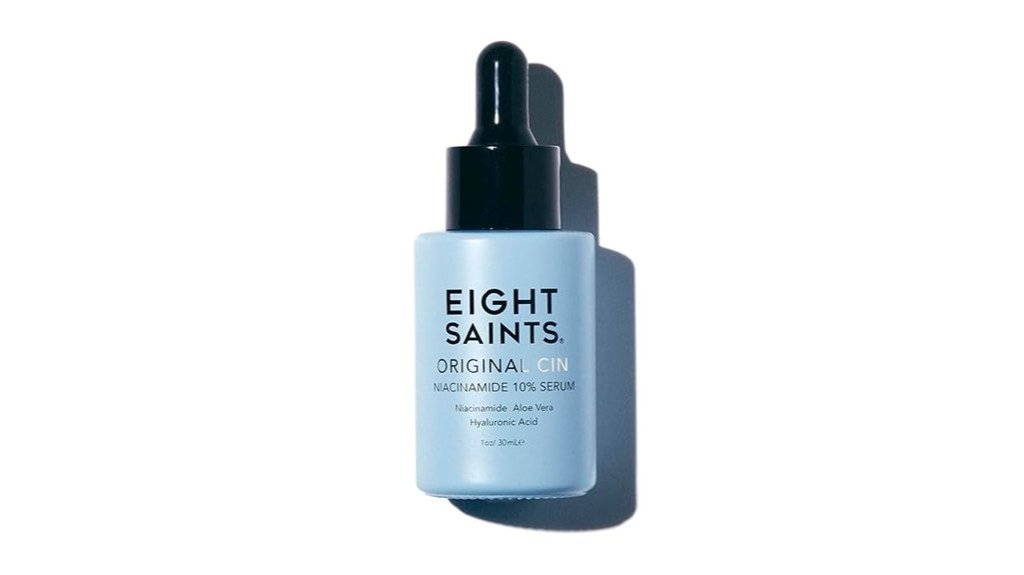
This serum is great for people who want to fight signs of aging. It helps reduce fine lines and wrinkles. It also makes your skin feel smooth and look even. The serum has 10% niacinamide. It also has hyaluronic acid and aloe vera, which help hydrate your skin and strengthen its barrier.
The formula is a lightweight gel. It absorbs quickly into your skin. It won’t leave a sticky feel or make your skin oily. It also helps reduce redness, shrink big pores, and brighten your skin. This serum works well for all skin types. It keeps your skin moisturized and gives a youthful look.
Many users see changes in just a week. It is gentle and doesn’t cause irritation. You can use it in the morning and at night. Keep using it to see better results over time.
Best For: People who want to reduce aging signs, smooth skin, and get a brighter, even tone. It’s light and perfect for daily use.
Pros:
- Absorbs fast into your skin
- Less redness and smaller pores after a week
- Works for all skin types and can be worn under other skincare products
Cons:
- Costs about $38 for 1 ounce
- You need to use it regularly for several weeks to see all benefits
- Some with sensitive skin might feel mild irritation at first
Factors to Consider When Choosing Resurfacing Serums for Textured Skin
When choosing a resurfacing serum for textured skin, it’s important to consider how well it matches your skin type, as different formulations work better for oily, dry, or sensitive skin. You should also pay attention to the key active ingredients, ensuring they target your specific concerns without causing irritation, and verify that the ingredients are safe and pure. Additionally, examine the concentration levels and the serum’s texture and formula to find a product that delivers effective results comfortably and fits into your skincare routine.
Skin Type Compatibility
Choosing the right resurfacing serum depends on your skin type. Different skin types react better to certain ingredients.
If you have sensitive skin, pick serums with lower amounts of exfoliants like retinol or acids. This helps prevent irritation and redness.
For oily or acne-prone skin, look for serums with salicylic acid or niacinamide. These ingredients can help control oil and clear out clogged pores.
If your skin is dry, choose serums that mix exfoliants with hydrating ingredients like hyaluronic acid or glycerin. These ingredients keep your skin moist and stop it from becoming too dry or irritated.
Using the right product for your skin helps you get good results without any discomfort. It also helps prevent skin problems. So, pay attention to your skin type when choosing a resurfacing serum.
Key Active Ingredients
Active ingredients are key to making textured skin look better. They work by fixing the problems that cause rough and uneven skin. Retinol and alpha hydroxy acids (AHAs) help skin cells renew faster. This makes the surface smoother and less rough. Enzymes like bromelain and papain gently remove dead skin cells. They exfoliate without causing irritation and leave skin soft and smooth.
Vitamin C and niacinamide help the skin make more collagen. Collagen keeps skin firm and helps prevent uneven patches. These ingredients also strengthen the skin barrier. This makes skin more resilient and gives it a more even look.
Using acids like glycolic and lactic acids helps loosen the glue that holds dead skin cells together. This makes it easier for the skin to shed old, rough skin and reveal a fresh layer. These acids help create a smoother, more uniform skin surface.
Other ingredients with antioxidants and anti-inflammatory properties reduce redness and swelling. Over time, they help calm the skin and make it look healthier. This creates a softer, more even complexion.
In simple terms, these ingredients help remove roughness, smooth out the skin, and make skin look healthier and more even.
Ingredient Safety & Purity
The safety and purity of ingredients in resurfacing serums are very important. They affect how your skin reacts to the product. Look for serums made with only tested, high-quality ingredients. Check that the ingredients are listed clearly, so you know what’s inside. Avoid products with harmful chemicals like parabens, sulfates, phthalates, or fake fragrances. These ingredients can irritate your skin or cause problems.
Choosing natural or organic ingredients can be better, especially if your skin is sensitive. These tend to cause fewer reactions. Also, look for signs that the product is safe for sensitive skin. Labels like “dermatologist-tested” or “hypoallergenic” mean the product has been checked for safety and is less likely to cause irritation.
Always read the ingredient list. Watch out for ingredients that can break out your skin or make it worse. Stay away from substances that clog pores or cause allergies. Making sure your serum has safe and good-quality ingredients helps protect your skin and helps it look its best.
Concentration Levels
Concentration levels in resurfacing serums are important because they affect how well the product works and how your skin reacts. When a serum has more active ingredients like retinol or acids, it usually shows better results. But, higher amounts can also cause irritation, especially if your skin is sensitive.
Most resurfacing serums have retinol in amounts from 0.5% to 2%. For chemical exfoliants, the range is usually from 5% to 30%. Picking the right level for your skin helps you see good results without unwanted side effects like redness or peeling.
It’s a good idea to start with a lower concentration. Gradually, you can increase the amount as your skin gets used to the product. This safe approach helps your skin adapt without causing discomfort.
Many products show their concentration clearly. Knowing this makes it easier to use the serum safely and get the best results.
Texture & Formula
Choosing the right serum texture and formula is important for people with textured skin. The texture can be a gel, liquid, or milky formula. A lightweight gel usually absorbs fast and feels comfortable on the skin. Milky serums often feel smooth and help keep the skin hydrated.
Serums with ingredients like hyaluronic acid add water to the skin surface. This makes the skin feel softer and less rough. If your skin is textured, look for these hydrating ingredients.
Chemical exfoliants like AHAs or BHAs come in gel or liquid forms. They spread evenly and can help smooth the skin’s surface. The way the serum delivers active ingredients also matters. A serum with the right pH level helps improve skin renewal. This can make rough patches less noticeable.
In short, pick a serum with a smooth, easy-to-apply texture. Look for hydrating and exfoliating ingredients. These choices can make your skin look and feel smoother and healthier.
Application Routine
Applying resurfacing serums the right way helps your skin become smoother and look better. First, wash your face and use a toner. Then, put on the serum. Do this before using heavy creams or oils so your skin can soak it up. Use a small, even amount all over your face and neck. Be careful around your eyes unless your instructions say it’s okay.
Use the serum twice a day—morning and night. This helps your skin improve over time. If your skin is sensitive, start with every other night. Watch how your skin reacts. If it feels okay, you can use it more often.
During the day, put on a sunscreen. Sunscreen protects your skin from the sun’s rays. Sunlight can stop the serum from working well and make your skin worse.
Stick to this routine regularly. It takes a few weeks to see the best results. Make sure to keep your skin healthy and happy each day.
Potential Sensitivities
resurfacing serums have strong ingredients like retinol and acids. These ingredients can make your skin irritated or red. If you have sensitive skin, be careful. First, do a patch test. Put a small amount of serum on your skin. Wait 24 hours to see if there is a reaction. Watch for ingredients like fragrances, alcohol, or preservatives. These stuff can make your skin more sensitive. If you want to try a new serum, start by using it once a week. Gradually use it more often. This helps your skin get used to the ingredients. If you have skin conditions like eczema or rosacea, talk to a dermatologist first. They can tell you if these ingredients are safe for your skin.
Long-Term Effectiveness
Long-term results from resurfacing serums depend on a few key things. First, you need to use the serum regularly for several months. This helps the skin improve slowly and stay healthy over time.
The serum works by boosting collagen and helping the skin renew itself. Serums with ingredients like retinol and alpha hydroxy acids usually give better long-lasting results. When you keep using them, you’ll see your skin texture get smoother over time. This shows the serum is helping your skin stay healthier in the long run, not just making it look better temporarily.
It’s also important to use the serum with sunscreen. Sun protection prevents new damage to your skin and keeps your results lasting longer.
In short, consistent use of a good resurfacing serum, combined with sun protection, helps your skin stay smoother and healthier over time.
Frequently Asked Questions
Can Resurfacing Serums Cause Skin Irritation or Sensitivity?
Yes, resurfacing serums can cause skin irritation or sensitivity, especially if you have sensitive skin or use strong ingredients. Always patch test new products, start with lower concentrations, and follow your dermatologist’s recommendations to minimize reactions.
How Long Does It Take to See Results From Resurfacing Serums?
You typically see results from resurfacing serums in about four to six weeks with consistent use. Some individuals notice improvements sooner, but patience is key as your skin gradually repairs and reveals a smoother, renewed appearance over time.
Are These Serums Suitable for All Skin Types?
Yes, many resurfacing serums suit all skin types, but it’s crucial to choose formulas tailored to your skin’s needs—whether oily, dry, sensitive, or normal—and patch-test before full application to prevent irritation.
Should I Use Sunscreen Daily With Resurfacing Treatments?
Yes, you should use sunscreen daily when using resurfacing treatments. It protects your skin from UV damage, prevents irritation, and helps maintain your results. Make broad-spectrum SPF a essential part of your skincare routine.
Can Resurfacing Serums Be Used With Other Skincare Products?
Yes, you can use resurfacing serums with other skincare products. Just layer them carefully, applying thinner, active ingredients first, then thicker creams or oils. Always patch-test new combos and consult your dermatologist for personalized advice.