
3 Best Reef-Safe Sunscreens for Your Vacation: Protect Your Skin
When selecting reef-safe sunscreens for your vacation, it’s vital to take into account options that protect your skin while minimizing harm to marine ecosystems. Mineral-based formulas with non-nano zinc oxide provide effective UVA and UVB broad-spectrum coverage without degrading coral reefs. Water resistance and SPF ratings, along with gentle, hypoallergenic ingredients, guarantee suitability for various skin types and water activities. Understanding these factors helps you choose a product that balances effective sun protection with environmental responsibility, which remains a key aspect of sustainable travel.
4ocean Reef-Safe Sunscreen SPF 40, Broad Spectrum UVA/UVB, Water-Resistant, Non-Nano Zinc Oxide, 2.8 oz

Looking for a sunscreen that is good for the environment? The 4ocean Reef-Safe Sunscreen SPF 40 is a great choice. It protects your skin from the sun without harming the ocean.
This sunscreen gives broad coverage against UVA and UVB rays. It helps stop sunburns, skin aging, and damage. It sticks around in the water for up to 80 minutes, so you can swim and play without worry. It’s made with non-nano zinc oxide, which is safe for coral reefs and marine animals. It avoids harmful ingredients like oxybenzone and octinoxate.
The sunscreen has a light feel. It absorbs fast and doesn’t leave a white streak on your skin. It comes in a small 2.8 oz bottle, perfect for trips or outdoor adventures.
Who should use it? Beach lovers, surfers, or anyone who wants strong sun protection that is eco-friendly.
Advantages:
- SPF 40 protects against most UVA and UVB rays
- Water-resistant for 80 minutes
- Made with safe ingredients for reefs and sea life
Disadvantages:
- Small size means you might need to reapply often
- Might leave a slight white tint initially
- Costs more than regular sunscreens because it’s eco-friendly
This sunscreen is a good pick if you want to protect your skin and help keep the oceans safe.
Coral Isles SPF 30 Sunscreen, Reef Safe & Water Resistant 80 Min, 6 Fl Oz

Coral Isles SPF 30 Sunscreen is a good choice if you want a sunscreen that’s kind to the environment. It is safe for coral reefs because it doesn’t have oxybenzone or octinoxate, ingredients that can hurt reefs. The sunscreen is hypoallergenic, so it’s gentle on sensitive skin. It’s lightweight and doesn’t feel greasy, making it comfortable to wear all day.
This sunscreen offers broad protection against both UVA and UVB rays. It helps prevent sunburn and slows down skin aging. It stays effective in water for up to 80 minutes, making it great for swimming and water sports. To keep protected, apply about 15 minutes before going outside. Reapply every two hours or after towel drying.
Who is it for?
It’s perfect for people who want a safe, reef-friendly sunscreen that works well in water and is good for sensitive skin.
Pros:
- Gentle on skin and feels light on the skin.
- Reef-safe and follows Hawaii’s REEF ACT rules.
- Water resistant for 80 minutes, good for swimming.
Cons:
- Needs to be reapplied often—every two hours.
- No added scent, which some people may miss.
- Comes in a 6 fl oz bottle, so you might need more for long trips.
This sunscreen is a simple, safe, and effective choice for outdoor fun in or out of the water.
Neutrogena Sunscreen Lotion Beach Defense SPF 50 (6.7 fl oz)
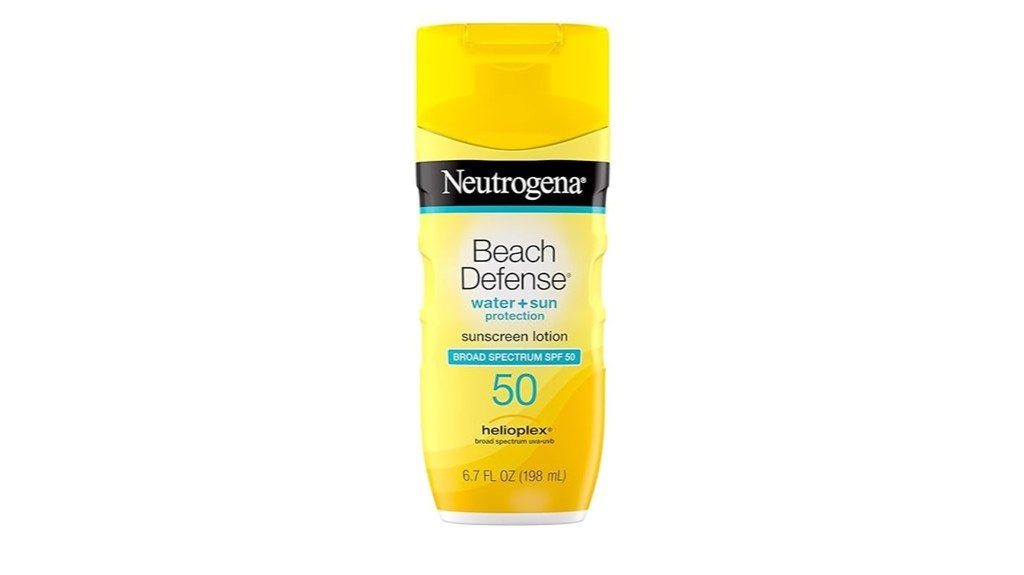
Neutrogena Sunscreen Lotion Beach Defense SPF 50 is a great choice if you want a reef-safe sunscreen that provides strong, broad protection. It shields your skin from both UVA and UVB rays. This helps prevent sun damage and lowers your chances of skin cancer if you use it correctly.
The lotion uses Helioplex technology, which makes sure you stay protected even during long hours outside. It’s water-resistant for up to 80 minutes, so you can swim or sweat without worrying. The lotion is light and oily-free. It spreads easily and doesn’t leave a white mess or stickiness on your skin.
This sunscreen is gentle and safe for sensitive skin. It does not contain oxybenzone or octinoxate, which are bad for reefs. This makes it a good option for the environment, especially for beaches like Hawaii that have special rules for sunscreen products.
Best For: People who spend time outside, go to the beach, or want a high SPF sunscreen that stays on during long days in the sun.
Pros:
- Protects against UVA and UVB rays with advanced technology.
- Water-resistant up to 80 minutes, good for swimming and sweating.
- Light and smooth on the skin, no white streaks or greasy feel.
Cons:
- Might leave a little white tint at first, but it disappears quickly.
- People with very sensitive skin could get mild irritation.
- Bigger bottles are less easy to carry around for quick reapplication.
This sunscreen works well for anyone who wants strong protection and cares about the environment. It’s simple to use and effective, whether you’re at the beach or just enjoying a sunny day outside.
Factors to Consider When Choosing Reef Safe Sunscreens for Vacation
When selecting reef-safe sunscreens for your vacation, it’s important to take into account several factors to ensure effective and responsible protection. Assess ingredient safety standards to confirm the product avoids harmful chemicals that can damage marine life; SPF and broad-spectrum protection to shield against UV rays and both UVA and UVB radiation; water-resistance duration to match your planned water activities; ease of application for consistent coverage; and skin compatibility to prevent irritation. Understanding these points helps you make an informed choice that balances sun protection with marine conservation efforts.
Ingredient Safety Standards
When you pick a reef-safe sunscreen, look at the ingredients. Some chemicals, like oxybenzone and octinoxate, can hurt coral reefs. Many places now ban these chemicals. Instead, choose sunscreens with mineral ingredients like non-nano zinc oxide or titanium dioxide. These ingredients protect your skin and won’t harm coral.
Check the label for all active ingredients. Good brands list everything clearly. Avoid sunscreens with added fragrances, PABA, parabens, or other irritants. These can bother sensitive skin and damage the environment.
Many safe sunscreens use natural, plant-based ingredients. They aim to protect your skin while caring for oceans and reefs. Picking a sunscreen that follows these standards helps keep both you and the marine life safe.
SPF and Broad Spectrum
When picking a reef-safe sunscreen for your trip, it’s helpful to know about SPF and broad spectrum protection. SPF shows how well a sunscreen blocks UVB rays. These rays cause sunburn. A higher SPF, like SPF 50, lasts longer and works better when you’re in the water or sweating. But, it doesn’t block much more UV rays than a lower SPF. For most outdoor fun, SPF 30 is good enough.
Broad spectrum means the sunscreen protects against both UVA and UVB rays. UVA rays can cause skin aging. It’s important to choose a sunscreen labeled “broad spectrum” for full protection. Remember to put on enough sunscreen and reapply often. Water-resistant formulas help keep the protection even when you swim or sweat. This keeps your skin safe and protected during your day in the sun.
Water-Resistance Duration
Water-resistant sunscreens keep working for a set amount of time when you are swimming or sweating. Usually, they work for 40 to 80 minutes. Check the label to see how long your sunscreen lasts in water or when you are heavy sweating. After that time, the sunscreen stops blocking the sun’s rays as well. So, you need to put it on again to stay protected. This is especially important if you are doing activities in the water or sweating a lot. Remember, water resistance doesn’t make the SPF higher. It just shows how long it stays effective in water or sweat. Reapplying sunscreen often helps keep your skin safe from the sun and prevents damage.
Application Ease
Application ease is important when choosing reef-safe sunscreens for your trip. It helps you protect your skin better during outdoor fun. Look for sunscreens that are easy to apply. These usually feel light and not greasy. They spread smoothly on your skin. Quick absorption without leaving a white or sticky residue makes reapplying simple. Sprays or aerosols can cover your skin faster and more evenly, especially on hard-to-reach spots. Clear formulas don’t need as much rubbing, which helps keep your skin protected without mess. A high water resistance, like 80 minutes, helps the sunscreen stay on longer in water. This means you don’t have to reapply as often during swimming or sweating.
Skin Compatibility
When choosing a reef-safe sunscreen for your skin, keep a few important things in mind. Look for sunscreens without oxybenzone and octinoxate. These ingredients can sometimes cause skin irritation or allergies, especially if your skin is sensitive. Many reef-safe sunscreens are hypoallergenic, fragrance-free, and paraben-free. These types are less likely to cause reactions and are gentle on your skin.
It’s a good idea to test new sunscreens on a small patch of skin first. Mineral sunscreens with non-nano zinc oxide or titanium dioxide are often better for sensitive skin. They tend to be gentle and don’t irritate the skin as much as chemical sunscreens.
Choose sunscreens that feel light and are not greasy. This makes them more comfortable to wear all day. Also, pick a broad-spectrum sunscreen. It protects your skin from all types of harmful UV rays and reduces the chance of skin problems.
Eco-Friendly Certifications
Have you thought about eco-friendly labels when choosing reef-safe sunscreens? These labels show that the product meets certain environmental rules. For example, the Hawaii Reef Act and Ocean Friendly Certification are good signs. They mean the sunscreen does not contain chemicals like oxybenzone and octinoxate. These chemicals can harm coral reefs.
Certified sunscreens also use ingredients that break down easily in nature. They often come in packaging that is better for the environment. Some tests check that the sunscreen doesn’t have tiny particles that can hurt marine life or get into coral tissues.
Picking sunscreens with these easy-to-recognize labels helps protect the ocean. You can enjoy the sun while also caring for the sea life. It’s a simple way to stay safe in the sun and help keep the ocean healthy.
Size and Portability
When choosing reef-safe sunscreens for your trip, think about size and how easy it is to carry. Pick small bottles that are 3.4 ounces or less. This helps you follow airline rules and makes security checks smoother. Lightweight bottles like tubes, sticks, or sprays are easy to pack in your beach bag or backpack. They are simple to carry and won’t take up much space. Make sure the caps are tight and leak-proof. This prevents spills while you’re traveling.
Also, choose the size based on how long you will stay. If your trip is short, small bottles are enough and less bulky. For longer trips, you might need larger bottles to have enough sunscreen. Picking the right size makes your travel easier and your sunscreen quick to use. It helps you stay protected without extra hassle.
Frequently Asked Questions
Are Reef-Safe Sunscreens Effective Against Strong Sun Exposure?
Reef-safe sunscreens are generally effective for strong sun exposure if they contain broad-spectrum protection, high SPF, and are reapplied frequently. They shield your skin well without harming marine life, making them suitable for intense outdoor activities.
Can I Wear Reef-Safe Sunscreen Under Makeup or Skincare Products?
Yes, you can wear reef-safe sunscreen under makeup or skincare products. Apply it first, let it absorb, then layer your makeup or skincare. This way, you guarantee SPF protection without compromising your beauty routine or marine safety.
How Often Should Reef-Safe Sunscreen Be Reapplied During the Day?
You should reapply reef-safe sunscreen every two hours when you’re outdoors, especially after swimming, sweating, or towel drying. Regular reapplication guarantees continuous protection for your skin and helps preserve marine life.
Are There Specific Ingredients to Avoid in Reef-Safe Sunscreens?
You should avoid reef-safe sunscreens that contain oxybenzone, octinoxate, parabens, and certain chemical filters like homosalate. Look for mineral-based ingredients like zinc oxide or titanium dioxide to guarantee marine life stays protected while your skin is safe.
Do Reef-Safe Sunscreens Leave a White Cast on the Skin?
Reef-safe sunscreens often minimize white cast, but some might still leave a slight tint, especially mineral-based formulas. To avoid this, choose lightweight, broad-spectrum options designed for clear application, ensuring your skin stays protected and looks natural.