
3 Best Ceramide Serums for Barrier Repair That Will Restore Your Skin
When choosing a ceramide serum for barrier repair, it’s important to take into account formulations backed by expert recommendations and tailored to your skin’s needs. Certain products combine ceramides with hydrating or soothing ingredients, making them effective for restoring compromised skin defenses. By understanding the key features—such as ingredient quality, skin compatibility, and specific benefits—you can select the best option for your skin type. These considerations set the foundation for achieving healthier, resilient skin, but knowing which serums meet these criteria requires a closer look.
ANUA Rice Ceramide 7 Hydrating Barrier Serum

If you want a serum that hydrates, brightens, and helps repair your skin, the ANUA Rice Ceramide 7 Hydrating Barrier Serum is a good choice. It has no added fragrance and won’t clog your pores, so you can use it every day. The texture is lightweight and stretchy, thanks to ingredients like Honey Extract, Rice Extract, and Hyaluronic Acid. It gives your skin immediate moisture, leaving it looking dewy and fresh.
This serum also brightens dull skin with ingredients like Arbutin and ANUA RICERA 7+. It helps repair the skin barrier with ceramides, Niacinamide, and Zinc. These ingredients work together to control oil, reduce blemishes, and boost your skin’s health.
Who Should Use It: This serum is good for people who want hydration, brightness, and barrier support. It works well for all skin types, especially oily or dull skin.
Pros:
- Light and stretchy texture that instantly hydrates
- Brightens skin and makes it look more even
- Helps repair skin barrier and control oil
Cons:
- Might not be enough if you have very dry or sensitive skin
- Contains ingredients like Arbutin and Niacinamide, which can bother sensitive skin
- Slightly more expensive than basic serums, so it might not fit everyone’s budget
This serum is simple, effective, and good for daily use. It gives your skin the moisture and brightness it needs. If you want a lightweight serum that helps protect your skin, this one can work well for you.
Cetaphil Ceramide Serum for Sensitive Skin

Cetaphil Ceramide Serum is a gentle option for people with sensitive skin. It helps repair and strengthen the skin’s outer layer, called the skin barrier. The serum has ceramides, which are good fats that restore moisture in the skin. It also has centella asiatica (CICA), which fights free radicals that can harm skin cells.
This serum provides real hydration, keeping your skin moist for up to 48 hours. It can make your skin’s barrier stronger in just a week. It also helps with dryness and rough patches. You will notice a more even skin tone in three days. It’s good at calming irritation and tightness, common signs of sensitive skin.
The product is fragrance-free, hypoallergenic, and won’t clog pores. These features make it safe for sensitive skin types.
Who should use it: People with sensitive skin who want a simple, effective way to boost hydration and improve their skin barrier.
Pros:
- Provides hydration for up to 48 hours
- Strengthens skin barrier in one week
- Contains ceramides and CICA to protect skin
- Fragrance-free, hypoallergenic, and non-comedogenic, safe for sensitive skin
Cons:
- Might not work as well for very oily or acne-prone skin
- Slightly more expensive than basic moisturizers
- Some people might want other active ingredients for specific skin concerns
Asterwood Ceramide Barrier Repair Serum
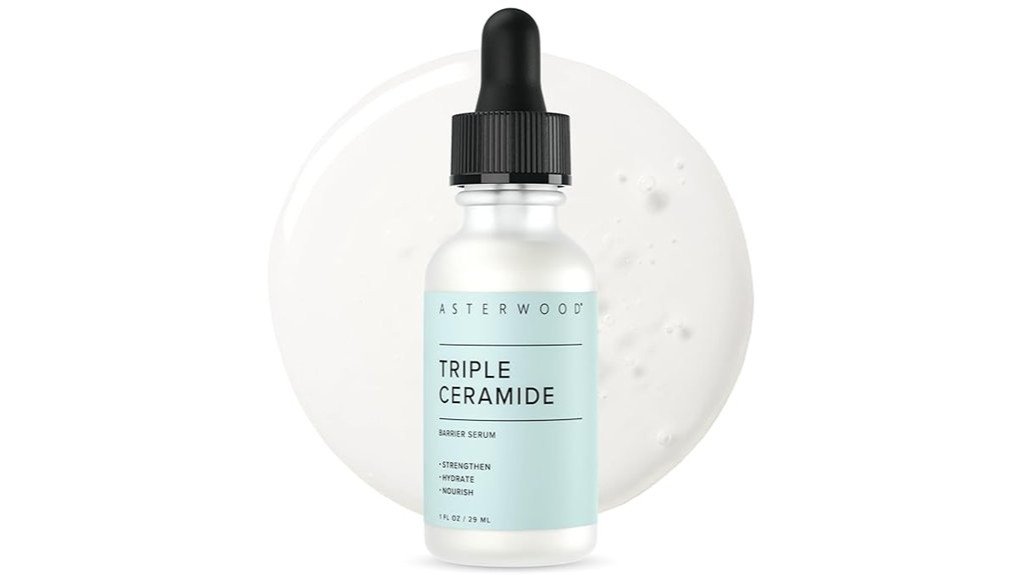
Asterwood Ceramide Barrier Repair Serum is a good choice if your skin is damaged or sensitive. It helps restore your skin’s natural barrier. If your skin feels dry, red, or irritated, this serum can help. It uses Asterwood’s Triple Ceramide Complex, which includes NP, AP, and EOP. These ingredients work together to rebuild and strengthen your skin’s protective layer. This makes your skin more resistant to harsh environmental factors and helps it recover faster.
The serum also has hyaluronic acid, squalane, and sunflower oil. These ingredients give deep moisture and lock it into your skin. The texture is light and fast-absorbing, so it feels comfortable and doesn’t leave a greasy feel. You can easily add it to your daily skincare routine. It soothes redness and reduces irritation, helping your skin look healthier and more balanced.
Best For: People with damaged, sensitive, or dehydrated skin who want to strengthen their skin barrier and stay hydrated.
Pros:
- Strengthens and repairs weak skin barriers
- Provides deep and lasting moisture
- Calms redness and irritation
Cons:
- Not made for people looking for strong anti-aging ingredients
- Slightly more expensive than basic serums
- Needs regular use every day to see results
If your skin feels fragile or dry, this serum is gentle and effective. It helps protect and hydrate your skin, making it look and feel better every day.
Factors to Consider When Choosing Ceramide Serums for Barrier Repair
When selecting ceramide serums for barrier repair, it’s vital to evaluate the purity and formulation of ingredients, as these directly influence the serum’s effectiveness and safety. You should also assess whether the product suits your skin type and contains beneficial hydration-boosting agents to support skin recovery. Additionally, guarantee the serum is compatible with your existing skincare routine and free from common sensitivities or allergens to prevent potential irritation.
Ingredient Purity and Formulation
Choosing a ceramide serum that is pure and well-made helps repair the skin barrier effectively. Look for products that list specific ceramide types, like NP, AP, or EOP. These types are proven to help restore your skin’s outer layer. Make sure the serum doesn’t have irritating ingredients like artificial fragrances, parabens, or sulfates. These can weaken the ingredients and cause skin irritation.
A good ceramide serum should stay stable over time. This means it should be stored properly and have a good formula to keep the ceramides effective. Some serums also include ingredients like niacinamide, centella asiatica, or hyaluronic acid. These help boost the benefits of ceramides and improve your skin’s health.
Finally, choose products that have been tested by third parties or show clear information about where their ingredients come from. This can help you trust the quality and purity of what you are using.
Suitable Skin Types
Knowing your skin type helps you choose the right ceramide serum to fix your skin barrier. Different skin types need different ingredients.
If your skin is sensitive, pick a serum without perfume or harsh chemicals. Look for options labeled hypoallergenic. These are gentle and help your skin heal without causing irritation.
For oily or acne-prone skin, use a serum that says non-comedogenic. These won’t clog your pores. They help control oil and stop breakouts.
Dry or dehydrated skin needs extra moisture. Choose a serum with ingredients like hyaluronic acid, glycerin, or sunflower oil. These boost water and keep your skin soft and smooth.
If your skin has been damaged or feels weak, such as after treatments or with eczema, pick a soothing serum. It should help repair and calm your skin.
Matching your skin type with the right serum makes it work better. It also helps prevent reactions or irritation. Pick the serum that fits your skin, and your skin will thank you.
Hydration Boosting Agents
The power of a ceramide serum to repair your skin barrier depends a lot on its hydration ingredients. Ingredients like hyaluronic acid, glycerin, and squalane are key. Hyaluronic acid can hold a lot of water—up to 1,000 times its weight—which helps keep your skin moist. Glycerin attracts water from the air or deeper in your skin and pulls it to the surface, making your skin feel more hydrated. Squalane locks in moisture, helping prevent water loss and keeping your skin feeling smooth and soft. When you use these ingredients together, they work better. They boost moisture and strengthen your skin barrier at the same time. Choosing a serum that has all these hydration ingredients can help your skin heal faster and stay healthy.
Compatibility With Routine
Have you thought about how a ceramide serum fits with your current skincare routine? It’s important to check if the serum works well with your other products. This helps stop any irritation or problems with mixing items. Pick a serum that matches your skin type and targets your skin concerns. Make sure it doesn’t clog your pores or cause breakouts.
Pay attention to how the serum feels and how fast it absorbs into your skin. Some serums feel light and drip in quickly, while others are richer and stay on the surface longer. Choose what feels best for you.
Look at the ingredients list. Make sure it has the ingredients you want and avoid anything that might irritate your skin. If your skin is sensitive, stay away from added fragrances or parabens.
In short, choose a ceramide serum that complements your skin and other products. Make sure it feels good to use and helps your skin look and feel better.
Sensitivity and Allergens
When choosing a ceramide serum for sensitive skin, it is important to check for allergens. Look for products that don’t contain common irritants like fragrances, parabens, or sulfates. These ingredients can cause redness or burning. Choose serums with soothing ingredients such as centella asiatica or panthenol. These ingredients help reduce inflammation and calm the skin. Always do a patch test before using a new product. Put a small amount on your skin and wait a day to see if you get any reaction. Pick serums labeled as hypoallergenic or dermatologist-tested. These are made to be safe for sensitive skin. Avoid serums with added preservatives or artificial colors. These can also cause allergic reactions. Paying attention to these tips can help protect your skin and support its barrier.
Frequently Asked Questions
How Long Does It Typically Take to See Barrier Repair Results?
You typically see barrier repair results within two to four weeks when you consistently use a ceramide serum. Keep in mind, individual skin types and conditions vary, so patience and regular application are key for noticeable improvements.
Can Ceramide Serums Be Combined With Other Active Ingredients Safely?
Yes, you can safely combine ceramide serums with most active ingredients like hyaluronic acid or peptides. However, avoid mixing with strong acids or retinoids to prevent irritation. Always patch-test new combinations before full application.
Are Ceramide Serums Suitable for All Skin Types and Sensitivities?
Yes, ceramide serums suit most skin types and sensitivities. They effectively support barrier repair, soothe sensitive skin, and are gentle enough for daily use, making them a versatile addition to your skincare routine.
What Ingredients Should I Avoid in Barrier Repair Serums?
You should avoid fragrances, alcohol, harsh exfoliants, essential oils, and sulfates in barrier repair serums. These ingredients can irritate sensitive skin, interfere with healing, or strip natural oils, hampering your skin’s barrier restoration process.
How Frequently Should I Use a Ceramide Serum for Optimal Benefits?
You should use a ceramide serum daily, typically once or twice a day, to maximize barrier repair. Consistent application helps strengthen your skin, increase hydration, and restore the protective barrier effectively over time.