
3 Best Barrier Repair Creams for Sensitive Skin That Actually Work
Choosing the right barrier repair cream for sensitive skin requires understanding key ingredients that restore and strengthen your skin’s protective layer. Products like Etude SoonJung 2x Barrier Intensive Cream, YADAH Collagen Hydra Core Cream, and Panthenol 10% Cica Repair Cream are designed to soothe, hydrate, and rebuild compromised skin. They contain ingredients such as ceramides, hyaluronic acid, collagen, and panthenol, which help reduce redness, irritation, and moisture loss. To make an informed decision, it’s important to take into account your skin’s specific needs and sensitivities.
ETUDE SoonJung 2x Barrier Intensive Cream, Face Moisturizer for Sensitive Skin

If you have sensitive, irritated, or damaged skin, the ETUDE SoonJung 2x Barrier Intensive Cream is here to help. It is made to strengthen your skin’s barrier, keep your skin moist, and calm redness or bumps. It has gentle ingredients like Panthenol and Madecassoside. These ingredients soothe your skin and lock in moisture. The cream has a low pH that helps balance water and oil in your skin. Its light, quick-absorbing texture feels soft and doesn’t leave a greasy feel. You can use it at night to hydrate your skin and reduce redness or irritation. Plus, it is free from harsh chemicals and additives, making it safe for sensitive or acne-prone skin.
Best for: People with sensitive, irritated, or damaged skin who want a gentle and effective way to repair their skin and stay hydrated.
Pros:
- Helps repair and protect your skin barrier with soothing ingredients like Panthenol and Madecassoside.
- Light and fast-absorbing, leaving skin soft and moist without feeling greasy.
- Free from common irritants and chemicals, making it safe for sensitive skin.
Cons:
- Some people feel a brief oily sensation right after applying, but this goes away with time.
- Fake products or packaging flaws, like loose caps, can affect how satisfied you are.
- The cream may not give enough moisture for very dry skin unless you layer other products.
YADAH Collagen Hydra Core Cream, Moisturizer with Hyaluronic Acids & Collagen
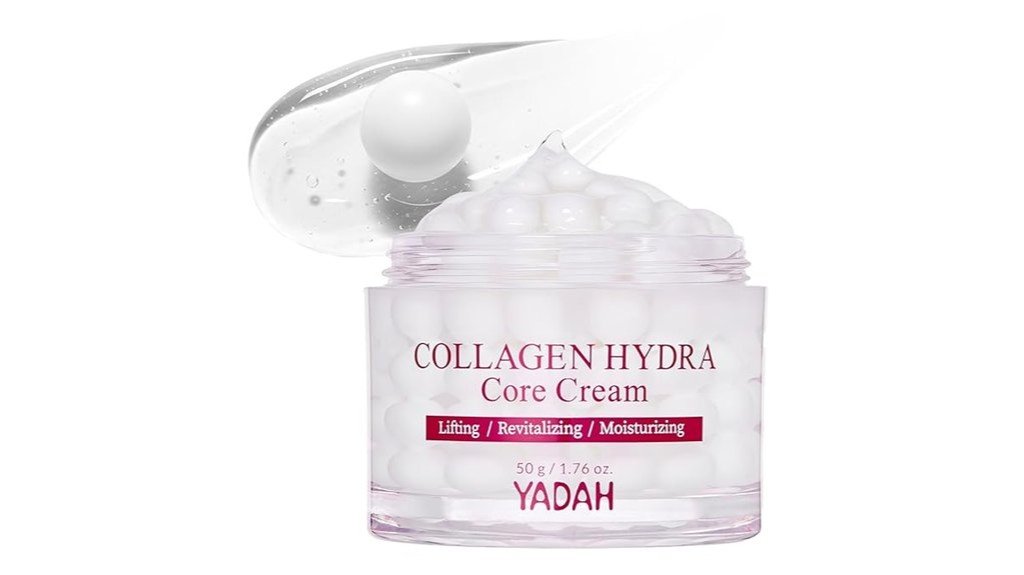
The YADAH Collagen Hydra Core Cream is a gentle moisturizer that works well for sensitive skin. It gives your skin deep hydration and helps strengthen your skin’s barrier. The cream has 1,000ppm of hydrolyzed collagen from France. Collagen helps make your skin more elastic and firm. It also contains ten types of hyaluronic acids. These acids hydrate your skin’s surface and deep layers, helping to smooth fine lines and improve firmness.
The cream is light and not greasy. It absorbs quickly into your skin. You can use it in the morning and at night. It feels comfortable and helps keep your skin soft and healthy.
This cream is best for people with sensitive skin who want good hydration and a stronger skin barrier. It can reduce irritation and soothe your skin.
Pros:
- Has collagen and multiple hyaluronic acids for deep hydration and skin firmness.
- Contains ceramides, madecassoside, and squalane. These ingredients soothe sensitive skin and lock in moisture.
- Light and fast-absorbing. Suitable for daily use, morning and night.
Cons:
- It might take time to see big changes like fewer wrinkles.
- People with very dry skin might want a richer cream.
- Some ingredients might cause mild reactions for very sensitive skin types.
Panthenol 10% Cica Repair Cream for Sensitive Skin
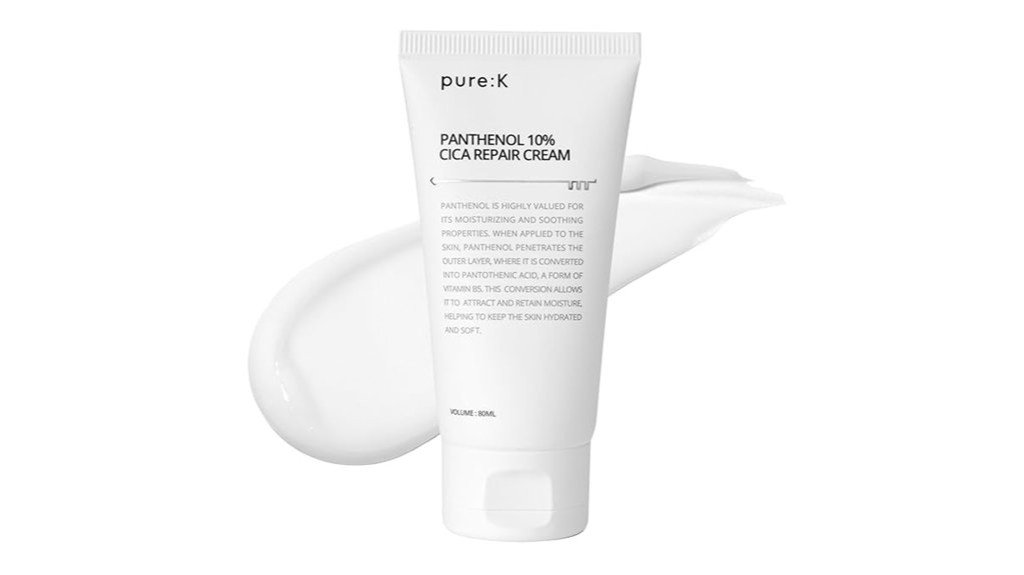
Panthenol 10% Cica Repair Cream is made for sensitive or irritated skin. It helps soothe and hydrate your skin. The main ingredient is 10% Panthenol, which deeply moisturizes and builds a strong skin barrier. It also includes Centella Asiatica extract and Madecassoside, which calm redness and soothe inflamed skin. Ceramide NP makes the skin stronger, while Allantoin and Squalane help dry, sensitive areas feel better.
The cream has a lightweight texture that absorbs quickly. It feels smooth and leaves your skin feeling calm and resilient. Some people might notice a slight stickiness after applying, but most find it helps keep skin moist and reduces discomfort. You can use it on your face, neck, or body regularly.
This cream works well for people with sensitive skin who want gentle hydration and barrier repair. It is especially good if your skin gets easily irritated or red. The formula is simple but effective, focusing on calming and hydrating your skin.
Pros:
- Contains 10% Panthenol to hydrate skin deeply
- Soothes with Centella Asiatica and Madecassoside
- Absorbs fast and leaves skin soft and calm
Cons:
- Might feel a little sticky for some
- Ingredients lists might vary if listed in Korean or English
- Slightly higher price for the size, with no extra luxury features
If your skin needs gentle care and quick relief, this cream can be a good choice. It helps keep your skin calm, hydrated, and stronger day by day.
Factors to Consider When Choosing Barrier Repair Creams for Sensitive Skin
When choosing a barrier repair cream for sensitive skin, it’s essential to take into account ingredient safety standards, ensuring the product contains only well-tested, non-irritating ingredients. Pay attention to the purity and formulation, as minimal additives and a gentle composition reduce the risk of reactions. Additionally, evaluate how well the cream supports skin barrier strength, provides hydration, and is compatible with active ingredients you might already be using.
Ingredient Safety Standards
Choosing barrier repair creams for sensitive skin needs careful reading. Look for products without common irritants like strong fragrances, artificial dyes, or harsh preservatives. These ingredients can cause skin reactions. Pick creams that list ingredients clearly. Make sure a dermatologist has checked the list. This helps you find products with low risk of allergy. It’s also good to check if the product follows safety rules. Avoid banned ingredients and stick to approved cosmetic rules. Including gentle ingredients like centella asiatica, panthenol, or madecassoside can soothe your skin. These ingredients help reduce irritation and make your skin more tolerant. Keep up with new safety information about ingredients. This helps you choose safe products. Choosing creams with safe ingredients protects sensitive skin. It also helps repair your skin’s barrier without irritation.
Purity and Formulation
The purity and ingredients in barrier repair creams are very important, especially for sensitive skin. A pure cream has only a few simple ingredients. This helps prevent irritation or allergic reactions. It’s best to avoid common irritants like fragrances, artificial colors, parabens, and mineral oils. These can make skin sensitivity worse.
Look at the label. Clear labels help you see what’s in the cream. This makes it easier to spot anything that might cause a reaction. Adding soothing ingredients like madecassoside, centella extract, or panthenol can calm sensitive skin and help it heal.
The cream’s pH level is also important. A good barrier repair cream should be slightly acidic, with a pH around 4.5 to 6. This keeps the natural layer on your skin strong. It helps protect the skin from problems and keeps the barrier healthy.
Hydration and Moisture
Hydration and moisture are really important for your skin. They help your skin stay soft and healthy. When your skin is well-hydrated, it can hold water better. This means your skin feels smooth and looks plump.
Many creams have ingredients called humectants. These help pull water from the air or deeper layers of your skin and trap it there. Hyaluronic acid and glycerin are common humectants. They act like magnets for moisture and keep your skin moist.
Other ingredients, like panthenol, squalane, and ceramides, help protect your skin’s outer layer. They make the barrier stronger, so less water escapes. This keeps your skin from drying out.
Some creams have different kinds of hyaluronic acid. This helps hydrate the skin at different depths. It makes your skin feel plump and can reduce fine lines.
A good moisturizer provides moisture all day. It keeps your skin soft and smooth over time. Light, non-greasy textures are best because they absorb quickly. They won’t clog your pores or leave your skin feeling heavy.
Skin Barrier Strength
Having a strong skin barrier is very important for healthy skin. It helps keep water inside your skin so your skin stays moist. It also shields your skin from pollution, dirt, and irritants that can cause problems. Ingredients like ceramides, fatty acids, and cholesterol help fix and protect this natural shield.
When your skin barrier is weak, your skin can become red, itchy, and more sensitive. It might react badly to skincare products or pollution. To keep your skin healthy, use products that lock moisture in, soothe, and support the barrier. Be careful to test new products first. This way, you won’t accidentally make your skin more sensitive or damaged.
Taking care of your skin barrier takes time. Use the right ingredients regularly. Make sure your products are gentle and safe for sensitive skin. Good skin habits keep your skin happy and strong every day.
Compatibility With Actives
Choosing a barrier repair cream that works well with active skincare ingredients comes down to a few simple things. First, check that the cream has a low pH. A low pH helps keep your skin’s natural acid layer, which protects against irritation.
Next, look at the ingredients. Avoid creams with harsh preservatives, alcohol, silicones, or ingredients that can clog pores. These can stop your active ingredients from working properly or cause breakouts when used with acids or retinoids.
Find a cream that has calming ingredients like Ceramides, Panthenol, or Madecassoside. These help soothe sensitive skin and improve how well your skin tolerates other treatments.
Also, pay attention to the texture of the cream. It should absorb easily, layer smoothly, and not cause pilling or dilute the strength of your active medicines.
Choosing the right barrier cream helps keep your skin balanced and makes your active skincare work better.
Packaging and Preservation
The way you package a barrier repair cream is very important. Good packaging keeps the cream safe and effective, especially for sensitive skin. Jars with airtight lids or tubes are best because they stop dirt and germs from getting in. Using containers that block light, like opaque or UV-protective bottles, helps keep the ingredients strong over time. It’s also good to choose materials that won’t react with the cream. This stops any chemical reactions that could spoil the product.
A good seal is important too. Pump bottles or tightly closing caps help prevent air from getting in and stop bacteria from growing. Labels on the package should show the expiry date and how to store the cream. This way, you know you are using it safely and it stays fresh.
In short, safe and smart packaging keeps your cream working well and protects your skin.
Frequently Asked Questions
Are Barrier Repair Creams Suitable for All Skin Types?
Barrier repair creams are generally suitable for all skin types, including sensitive, oily, and dry skin. You should choose a product tailored to your specific needs, and patch test to guarantee it suits your skin.
How Long Does It Take to See Results?
You might see improvements within a few days to a week, but for full results, give it at least four to six weeks. Consistent use and gentle skincare routines help your skin rebuild and strengthen more effectively.
Can Barrier Repair Creams Be Combined With Other Skincare Products?
Yes, you can combine barrier repair creams with other skincare products. Just apply them in the correct order—usually after cleansing and before moisturizer or ointments—to maximize effectiveness and avoid irritation, ensuring your skin benefits fully from each product.
Are There Any Age Restrictions for Using These Creams?
You can generally use barrier repair creams at any age, but it’s best to check with a dermatologist if you have specific skin concerns or conditions. Young or old, these creams help strengthen your skin barrier effectively.
Do Barrier Repair Creams Prevent Future Skin Sensitivities?
Yes, barrier repair creams can help prevent future sensitivities by strengthening your skin’s protective barrier. Use them consistently to maintain hydration and resilience, reducing vulnerability to environmental stressors that might trigger reactions or irritation.
